
Learning Spanish after 50 can be one of the most rewarding reasons to return to the classroom.
You may want to travel more independently, spend time in Spain, communicate with Spanish-speaking friends or family, explore another culture, or simply continue learning something meaningful.
The best approach is not to copy the study habits of teenagers or university students. Adults over 50 often benefit from practical conversation, clear explanations, repetition, cultural context, useful vocabulary, and a comfortable learning pace.
Is 50 Too Old to Learn Spanish?
No. Adults can successfully learn another language at 50, 60, 70, and beyond.
Adults Bring Valuable Learning Advantages
Adult learners often have:
- clear goals
- established study habits
- real-life experience
- stronger motivation
- patience
- cultural interests
Different Does Not Mean Worse
Adults may approach language learning differently from children, but that does not mean they cannot reach a strong conversational level.
The method simply needs to fit the learner.
Start With the Spanish You Actually Need
Many traditional courses include vocabulary students may rarely use.
Learn Spanish for Travel
Prioritize language related to:
- airports
- hotels
- restaurants
- cafés
- transportation
- shopping
- directions
- museums
- emergencies
Learn Spanish for Conversation
Focus on:
- introductions
- family
- hobbies
- travel
- opinions
- daily routines
- common questions
Practical vocabulary is easier to remember because you can imagine using it.
Focus on Conversation From the Beginning
Many adult learners wait until they feel ready to speak.
Start With Basic Spanish Sentences
You can begin with:
Hola, me llamo Sarah.
Soy de Canadá.
Vivo en Toronto.
Me gusta viajar.
Estoy aprendiendo español.
Why Early Conversation Matters
Confidence comes from successfully using Spanish, even when the sentences are simple.
You do not need perfect grammar before speaking.
Study in Short Regular Sessions
Long daily sessions are not required.
Create a Weekly Spanish Routine
For example:
Monday: vocabulary review
Tuesday: Spanish class
Wednesday: listening practice
Thursday: conversation
Friday: reading
Weekend: cultural content or review
Why Short Sessions Work
Regular exposure keeps Spanish active in your memory without making study feel overwhelming.
Repeat More Than You Think You Need To
Repetition is normal.
Review Vocabulary in Different Contexts
You might first learn:
reservar — to reserve
Then practise:
Quiero reservar una mesa.
Later:
Tengo una reserva.
Forgetting Is Part of Learning
Seeing a word once does not mean you should remember it forever.
Review is not failure. It is part of the learning process.
Choose a Course Designed for Adults
Adults often have different priorities from younger learners.
What Spanish Classes for Adults Over 50 Should Include
A good course should offer:
- practical conversation
- clear explanations
- appropriate pacing
- useful vocabulary
- cultural context
- regular review
- opportunities to ask questions
Why Spanish 50+ Programmes Can Work Well
A Spanish 50+ programme can combine language classes with cultural activities designed around adult interests.
This makes the experience more relevant and enjoyable.
Learn Spanish for Travel
Travel is one of the strongest motivations for learning Spanish after 50.
Spanish Can Transform Your Travel Experience
Even basic Spanish can help you:
- order confidently
- ask questions
- understand menus
- interact with local people
- navigate transportation
- shop locally
- participate more fully in cultural activities
You Do Not Need Perfect Spanish to Travel
A small amount of usable Spanish can create a much more independent and rewarding experience.
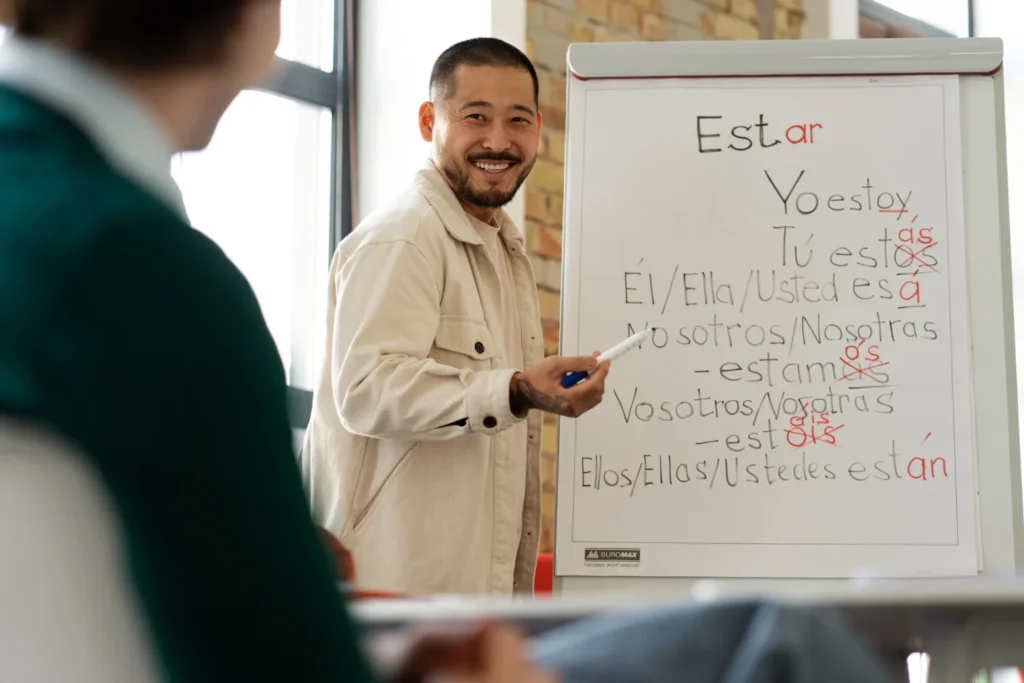
Consider Learning Spanish in Spain
Studying in a Spanish-speaking country can accelerate your exposure to the language.
Why Immersion Helps
Instead of studying vocabulary only in class, you can use it immediately.
You may practise Spanish while:
- ordering coffee
- visiting a market
- asking for directions
- attending cultural activities
- meeting local people
Combining Classes With Daily Life
This connection between classroom learning and real experience helps make new language more memorable.
Why Seville Can Work Well for Spanish Learners Over 50
Seville can provide a strong combination of language and culture.
Cultural Experiences in Seville
Learners can explore:
- historic neighbourhoods
- local markets
- gastronomy
- architecture
- museums
- traditions
- nearby Andalusian destinations
Learn Spanish Through Real Experiences
Spanish becomes connected with places, conversations, meals, and experiences rather than remaining an abstract classroom subject.
Use Technology Without Letting It Overwhelm You
Learning Spanish in 2026 gives adults access to many useful tools.
Useful Technology for Spanish Learners
You can use:
- online classes
- podcasts
- digital flashcards
- YouTube
- AI conversation tools
- pronunciation apps
- translation tools
Use Each Tool for a Specific Purpose
For example:
Use flashcards for vocabulary.
Use podcasts for listening.
Use AI for simple dialogues.
Use live classes for correction and conversation.
You do not need ten apps.
Do Not Compare Yourself With Other Students
Progress is personal.
Different Learners Have Different Strengths
One person may remember vocabulary quickly but struggle with pronunciation.
Another may speak confidently but make more grammatical mistakes.
Measure Your Own Progress
Ask yourself:
Can I understand more than three months ago?
Can I speak for longer?
Can I travel more confidently?
Can I manage more situations in Spanish?
These are meaningful improvements.
How Long Does It Take to Learn Spanish After 50?
The timeline depends on your goal.
Basic Travel Spanish
Useful phrases and basic communication can begin developing within several weeks or months.
Conversational Spanish
Comfortable conversation usually requires longer and depends strongly on how frequently you speak and practise.
Advanced Spanish
Advanced proficiency requires sustained study over a longer period.
There is no need to rush.
Make Culture Part of Your Spanish Learning
Language and culture belong together.
Explore Spanish-Speaking Culture
Use:
- films
- music
- cuisine
- history
- traditions
- travel
- literature
- regional culture
Why Cultural Interest Helps
If you enjoy what surrounds the language, you naturally spend more time interacting with Spanish.
Learning becomes more enjoyable and easier to maintain.
Start With a Realistic Goal
Avoid beginning with an undefined goal such as “I want to be fluent.”
Create Small Measurable Goals
For example:
In three months I want to introduce myself confidently.
Then:
I want to have a ten-minute conversation.
Later:
I want to travel through Spain using Spanish every day.
Small goals make progress visible.
Learning Spanish After 50 Can Become Part of the Journey
Knowing how to learn Spanish after 50 is less about finding a shortcut and more about choosing a learning environment that works for you.
Use practical vocabulary, study consistently, speak early, review often, and connect Spanish with experiences you genuinely enjoy.
ABCD Languages can help adults explore Spanish courses, conversation programmes, online options, and Spanish 50+ language and culture experiences, including opportunities connected with destinations such as Seville.
You do not need perfect Spanish before you start using it. You simply need to start.
Explore Spanish programs in Spain for adults 50+
Compare Spanish programs for adults 50+ and destinations in Seville, Cádiz and Málaga, then request current information for your preferred travel period.